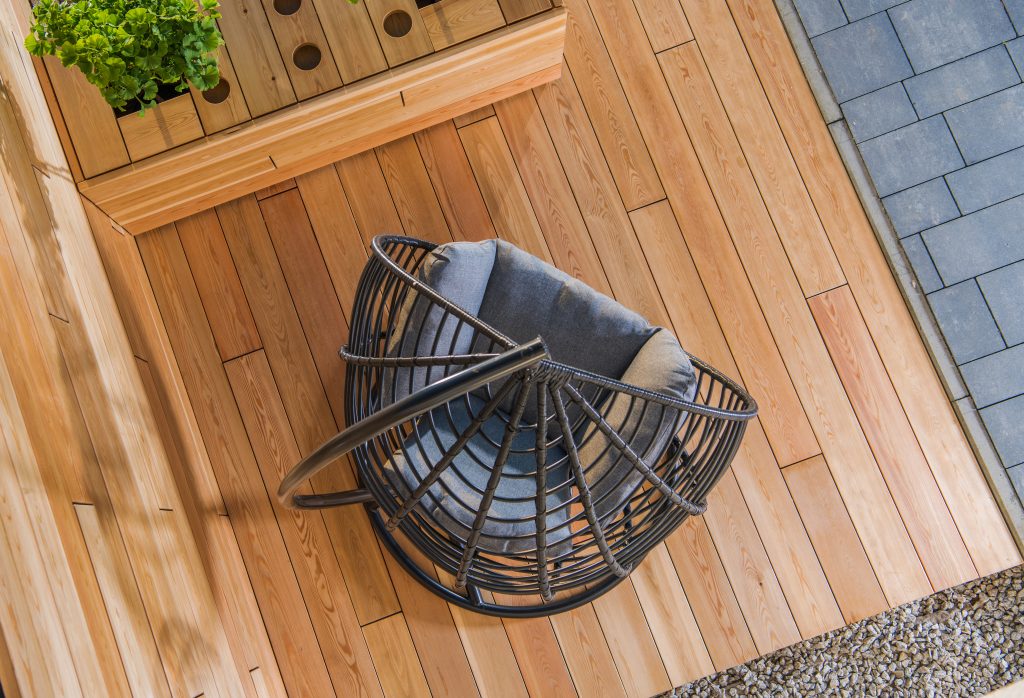
If you’re considering upgrading your outdoor space, one of the most common questions homeowners ask is: how long does composite decking last? The short answer is that high-quality composite decking typically lasts 25 to 30 years, with some premium products lasting even longer when properly maintained. Understanding helps you make a confident long-term investment decision.
Compared to traditional timber decking, composite offers superior durability, lower maintenance, and long-term value. Below, we break down everything you need to know about how long composite decking lasts and what impacts its lifespan.
When discussing the length, most reputable brands offer warranties ranging from:
20 years (entry-level products)
25–30 years (mid-range boards)
30+ years (premium capped composite decking)
Unlike natural wood, composite decking is engineered from a blend of recycled wood fibres and plastic, making it highly resistant to moisture, rot, and insect damage.
When installed correctly and maintained minimally, the answer to how long it can last is often two to three times longer than traditional timber decks.
Several factors influence its lifespan, including material quality, installation, and the environment.
Not all composite boards are created equal. Capped composite decking (with a protective outer shell) typically lasts longer because it resists:
Fading from UV exposure
Moisture absorption
Staining
Surface scratches
Higher-quality boards directly impact lifespan in real-world conditions.
Improper installation can reduce lifespan significantly. Adequate spacing, proper ventilation, and correct subframe construction are essential to protect structural integrity. Professional installation plays a major role in determining how long does composite decking last over time.
Composite decking performs well in most climates, but extreme weather can affect durability:
High UV exposure may cause gradual fading
Excess moisture impacts poorly ventilated decks
Freeze-thaw cycles require proper drainage
Climate conditions naturally influence lifespan, although composite still outperforms untreated timber in harsh environments.
One of the biggest advantages of considering the lifespan is its low maintenance requirements. Unlike timber, composite does not require:
Sanding
Sealing
Staining
Annual painting
Simple cleaning with soap and water a few times per year is usually enough to maintain its appearance and performance, helping extend how long it lasts.
Composite decking performs well in most climates, but extreme weather can affect durability:
High UV exposure may cause gradual fading
Excess moisture impacts poorly ventilated decks
Freeze-thaw cycles require proper drainage
One of the biggest advantages when considering how long does composite decking last is its low maintenance requirements. Unlike timber, composite does not require:
Sanding
Sealing
Staining
Annual painting
Simple cleaning with soap and water a few times per year is usually enough to maintain its appearance and performance, helping extend lifespan
Although composite decking is long-lasting, you may eventually notice:
Significant fading
Surface cracking
Structural sagging (usually subframe-related)
Persistent staining
Even after decades of use, many boards remain structurally sound, reinforcing why the length of quality is such a common and reassuring question.
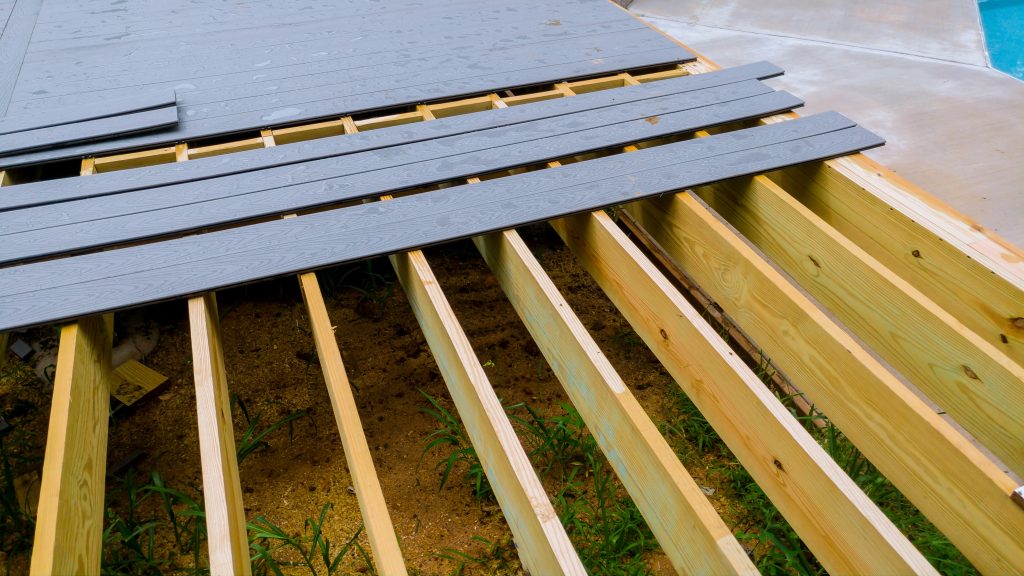
While composite decking has a higher upfront cost than timber, its extended lifespan and minimal maintenance make it a smart investment. When homeowners evaluate how long composite decking lasts, they often find that 25–30 years of reliable performance justifies the initial expense.
So, how long does composite decking last? On average, you can expect 25 to 30 years depending on product quality, installation, and climate conditions. With proper care, premium products may last even longer.
If you’re planning a deck renovation or new build, understanding the integrity can help you choose a durable, low-maintenance solution that adds long-term value to your outdoor space.