
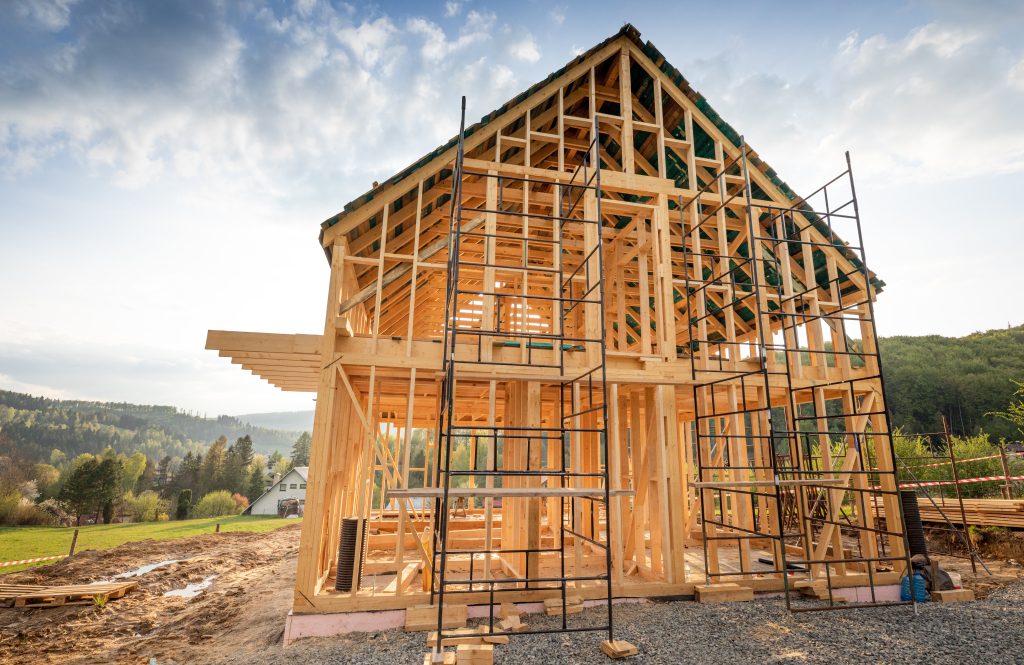
Build a home – Deciding whether to build or buy a house is one of the biggest financial choices you’ll ever make. While buying an existing property may seem faster and more convenient, building a home offers long-term advantages that often make it the smarter investment. From complete customization to energy efficiency and reduced maintenance costs, building a home gives you more control, better value, and a living space designed specifically for your lifestyle.
One of the biggest advantages of building a home is personalization. When you build, you’re not settling for someone else’s design choices. Instead, you decide:
Floor plan layout
Number of bedrooms and bathrooms
Kitchen style and finishes
Storage solutions
Smart home technology integration
Buying an existing home often means compromising on layout, outdated designs, or costly renovations. Building ensures your home matches your exact needs from day one, eliminating expensive remodeling projects later.
Newly built homes are constructed using modern building codes, advanced insulation, and energy-efficient materials. This results in:
Lower heating and cooling costs
Improved insulation
Energy-efficient windows
Modern HVAC systems
Solar-ready roofing options
Older homes typically lack these features unless extensively upgraded. Over time, the energy savings from a newly built home can significantly reduce your monthly expenses, making it a financially sound decision.
When you buy an existing property, hidden issues can quickly become expensive problems. Plumbing, roofing, electrical systems, and foundations may require repairs shortly after purchase.
With a newly built home:
Everything is brand new
Appliances come with warranties
Structural components meet current safety standards
Builders often provide workmanship guarantees
This means fewer unexpected expenses and greater peace of mind during the first several years of ownership.
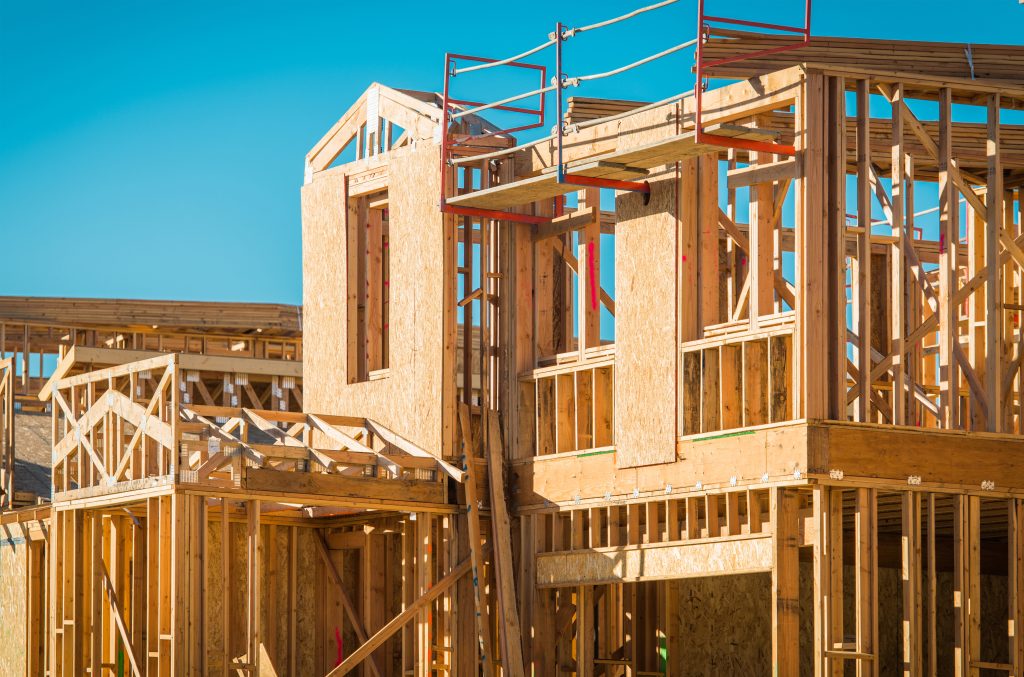
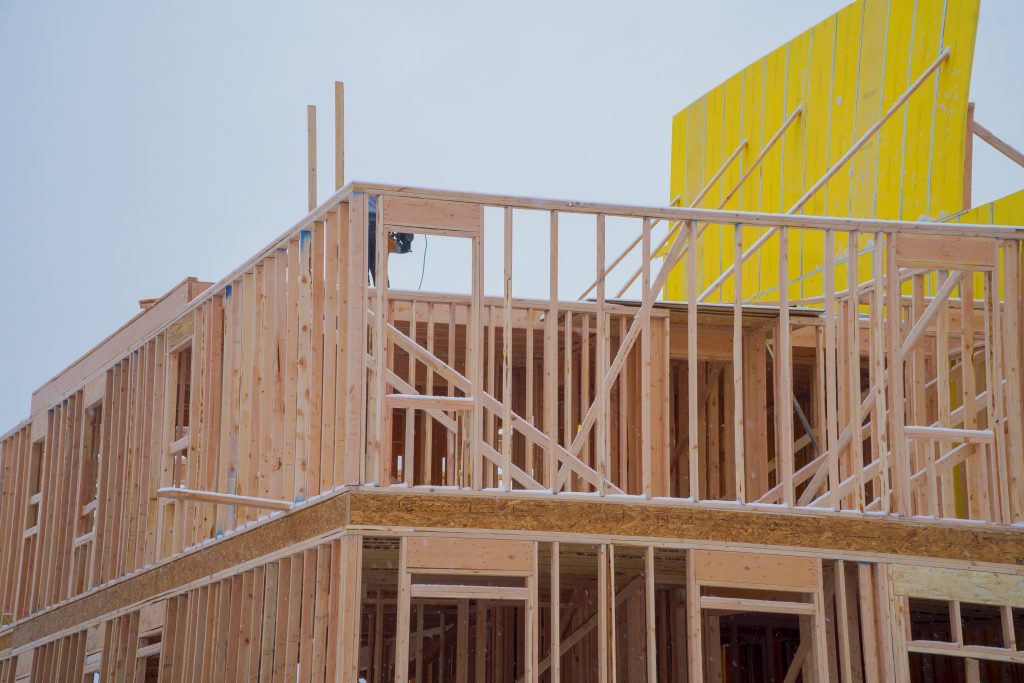
Building a home allows you to incorporate the latest trends and technology from the start. Open-concept living spaces, larger kitchens, home offices, and smart home systems are easier and more cost-effective to integrate during construction.
New builds also allow for:
Electric vehicle charging stations
Smart thermostats
Security systems
Energy monitoring systems
Retrofitting older homes with these technologies can be expensive and complicated.
While building a home may initially appear more expensive, it often delivers stronger long-term value. Custom homes in desirable areas tend to appreciate well, especially when designed with modern standards and efficiency in mind.
Because you’re not paying for outdated features or immediate renovations, your investment goes directly into quality construction and modern design. Over time, this can result in higher resale value compared to older properties.
Newly built homes use modern materials that meet updated environmental and safety standards. This can reduce exposure to:
Asbestos
Lead-based paint
Mold from outdated plumbing
Poor ventilation systems
Improved air quality and modern construction standards contribute to a healthier indoor environment for you and your family.
With home builds, you can choose the exact plot of land that suits your lifestyle—whether that’s a quiet suburban neighborhood, rural acreage, or a growing development area. Buying an existing home limits you to what’s currently available on the market.

While buying an existing home may offer speed and convenience, building a home provides customization, efficiency, lower maintenance costs, and long-term financial benefits. In 2026, with rising renovation costs and increased demand for energy efficiency, building is often the smarter and more strategic choice.
If you want a home designed around your needs rather than adapting to someone else’s choices, building gives you the control and value today’s homeowners are looking for.